At first glance, a medical centre and an office look similar. Both have reception areas, desks, bathrooms and kitchens that need regular cleaning. But inside a clinic, many people walking through the door are unwell, and the surfaces they touch can carry bacteria and viruses that put patients and staff at risk.
That difference changes everything about how cleaning is done. Standard commercial office cleaning focuses on tidiness, presentation and general hygiene. Medical centre cleaning in Brisbane must go further, following infection control principles, using the right disinfectants and supporting the clinic's accreditation requirements.
In this guide, we explain the key differences between medical centre cleaning and office cleaning, what clinics should expect from their cleaning provider and how to avoid common gaps. YOT Services provides contract and specialist cleaning for Brisbane commercial facilities, so these insights reflect how sensitive spaces are cleaned in practice.
Why Do Medical Centres Need a Higher Cleaning Standard?
In an office, a missed surface usually means a little dust or a smudge. In a medical centre, it can mean an infection passing from one patient to another. Clinics see people with colds, flu, gastro and other illnesses every day, often alongside vulnerable patients such as the elderly, babies and people with weakened immune systems.
This is why medical centre cleaning focuses on:
- Reducing the spread of infection between patients and staff
- Cleaning and disinfecting surfaces that are touched many times a day
- Following documented procedures that can be checked and audited
- Protecting cleaners from exposure to body fluids and sharps
Office cleaning aims to keep a workplace looking good and feeling fresh. Medical centre cleaning aims to make the environment clinically safe. That shift in purpose affects the products used, the training cleaners need and the level of detail in every visit.
How Do Cleaning Products Differ in Medical Settings?
Many offices are cleaned with general purpose detergents and sprays that remove dirt and leave a pleasant smell. These products work well for presentation but are not designed to kill the germs found in a clinic.
Medical centres typically need:
- Hospital grade disinfectants listed with the Therapeutic Goods Administration (TGA)
- Detergent cleaning first to remove soil, so disinfectants can work properly
- Correct dilution and contact times, following the product label
- Spill kits for blood and body fluids
- Single use cloths or mop heads in high risk areas
Using the right product the wrong way can make it ineffective. For example, wiping a disinfectant away too quickly may not give it enough contact time to kill pathogens. Trained medical cleaners understand these details, which is one of the biggest differences between clinical and standard office cleaning.
How Do Cleaners Prevent Cross Contamination Between Areas?
Cross contamination happens when germs are carried from one area to another on cloths, mops, gloves or equipment. In an office, this rarely causes harm. In a clinic, moving a cloth from a toilet to a treatment room bench could spread infection.
Medical cleaners prevent this through:
- Colour coded cloths, mops and buckets for bathrooms, clinical rooms and general areas
- Cleaning from clean areas to dirty areas, and from high surfaces to low
- Changing gloves between areas and after handling waste
- Using separate equipment for isolation or infectious rooms
- Cleaning and storing equipment correctly at the end of each shift
These steps sound simple, but they only work when every cleaner follows them every time. That is why medical centres need cleaners specifically trained in infection control, not just general cleaning.
How Is Waste Handled Differently in Medical Centres?
Offices produce general waste, recycling and the occasional box of shredding. Medical centres produce several waste streams, some of which are regulated and must be handled with care.
Common medical centre waste streams include:
- General waste from reception and staff areas
- Clinical waste, such as used dressings and items contaminated with body fluids
- Sharps, including needles and blades, stored in approved containers
- Sanitary waste from bathrooms
- Recycling and confidential paper
Cleaners do not dispose of clinical waste or sharps themselves, but they must know how to identify these streams, avoid contact with them and keep bins and storage areas clean. Clinical waste collection should be handled by a licensed contractor. Our guide on how smart waste management keeps commercial sites compliant and hygienic explains how structured waste systems support hygiene across a facility.
Which Areas Need the Most Attention in a Medical Centre?
Not every surface carries the same risk. Medical cleaners focus their effort on high touch points and clinical spaces, where germs are most likely to spread.
Priority areas include:
- Waiting room chairs, armrests and children's play areas
- Reception counters, payment terminals and pens
- Door handles, light switches and lift buttons
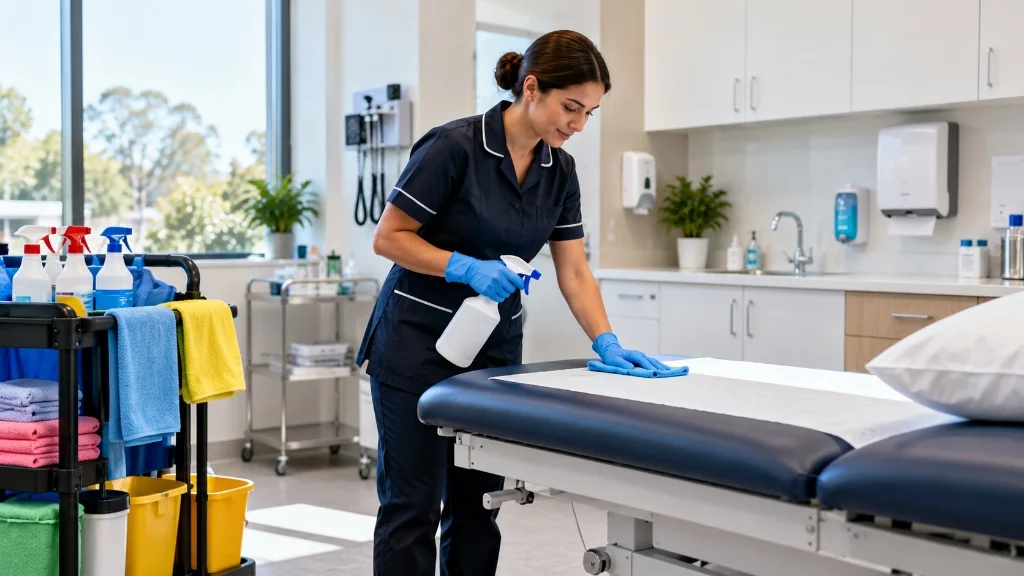
- Treatment room benches, examination beds and sinks
- Patient and staff bathrooms
- Staff kitchens and break rooms
In an office, a daily wipe of desks and kitchens is usually enough. In a busy clinic, high touch points in waiting areas may need cleaning several times a day, with a detailed clean of clinical rooms at the end of each session. Planning cleaning around patient flow keeps the clinic safe without interrupting appointments.
Why Is After Hours Cleaning Important for Clinics?
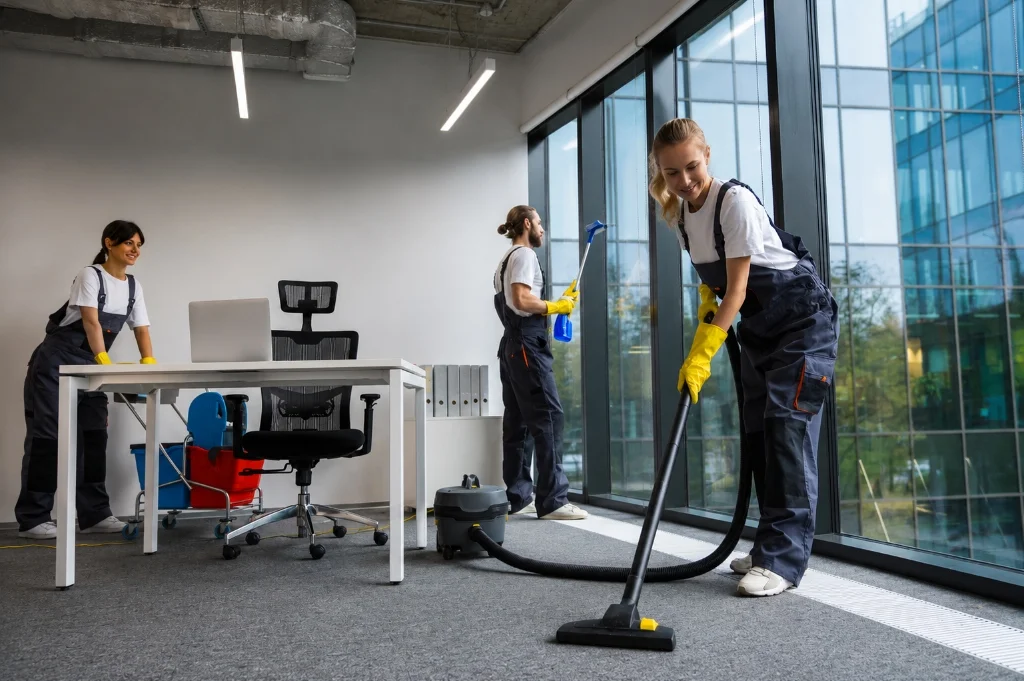
Most medical centre cleaning happens after the last patient leaves. After hours office cleaning is common in commercial buildings, but in a clinic it is essential, because a detailed clean cannot happen around patients, doctors and appointments.
Cleaning after hours allows teams to:
- Disinfect treatment rooms thoroughly without rushing
- Mop floors and clean bathrooms without disrupting patients
- Restock soap, paper towels and hand sanitiser for the next day
- Report any damage or maintenance issues before opening
After hours work also raises security questions. Cleaners need safe, controlled entry to a building that holds medicines, patient records and expensive equipment. Professional access control services help clinics manage keys, alarm codes and entry logs, so only authorised cleaners enter and every visit is recorded.
How Does Cleaning Support Clinic Accreditation?
Many Australian general practices are accredited against the RACGP Standards for general practices, which include requirements for infection prevention and control and a clean, safe environment. Other healthcare facilities follow similar standards for their sector.
Good cleaning supports accreditation by providing:
- A documented cleaning schedule for each area
- Cleaning logs signed off after each clean
- Records of the products used and staff training
- Regular quality audits and corrective actions
When an assessor visits, the clinic needs to show not only that the practice looks clean, but that cleaning is planned, recorded and checked. Choosing a provider who understands these requirements saves practice managers time and stress. Our article on how to vet a commercial cleaner properly covers the insurance, audit and compliance checks every facility should make before signing a contract.
Common Mistakes in Medical Centre Cleaning
- Using general office products: Clinics need hospital grade disinfectants, not just everyday sprays.
- Using one cloth for every area: Moving equipment between bathrooms and clinical rooms spreads germs.
- Cleaning high touch points only once a day: Busy waiting rooms need extra attention during sessions.
- Not keeping cleaning logs: Missing records can cause problems during accreditation.
- Giving cleaners unrecorded access: After hours entry should be controlled and logged every time.
Conclusion
Medical centre cleaning in Brisbane is a specialised service with a different goal from office cleaning. Where office cleaning focuses on presentation, clinical cleaning focuses on infection control, correct products, cross contamination prevention, careful waste handling and documentation that supports accreditation.
If your clinic relies on a general cleaner, it may be time to check whether your current service meets clinical standards. YOT Services provides trained cleaning teams, documented procedures and secure after hours service for Brisbane medical centres. Reach out to our team to arrange a site review. Get a quote from YOT Services today.