Waste management is one of the most under-appreciated disciplines in commercial facility operations. When it works, nobody notices - bins are emptied, restrooms stay clean, and recycling flows smoothly. When it fails, everyone notices. Foul odours drift through car parks, flies swarm around unsecured dumpsters, pests migrate from waste zones into tenanted areas, and council notices arrive threatening fines for non-compliance. What looks like a routine service can trigger tenant complaints, health inspector attention, and reputational damage within days when it goes wrong.
Structured commercial waste management protects Brisbane facilities from these outcomes through disciplined bin management, secured storage, effective recycling streams, and complete audit documentation. Corporate campuses, shopping centres, food service venues, healthcare facilities, and education precincts all face compliance requirements that go far beyond simple bin collection - the discipline is genuinely operational, not cosmetic.
This guide breaks down 7 practical strategies Brisbane facility managers use to maintain compliant, hygienic, and efficient waste management. Whether you manage a corporate tower, shopping precinct, healthcare facility, or educational campus, these measures protect long-term operational and reputational outcomes.
1. Isolate and Secure Waste Storage Areas
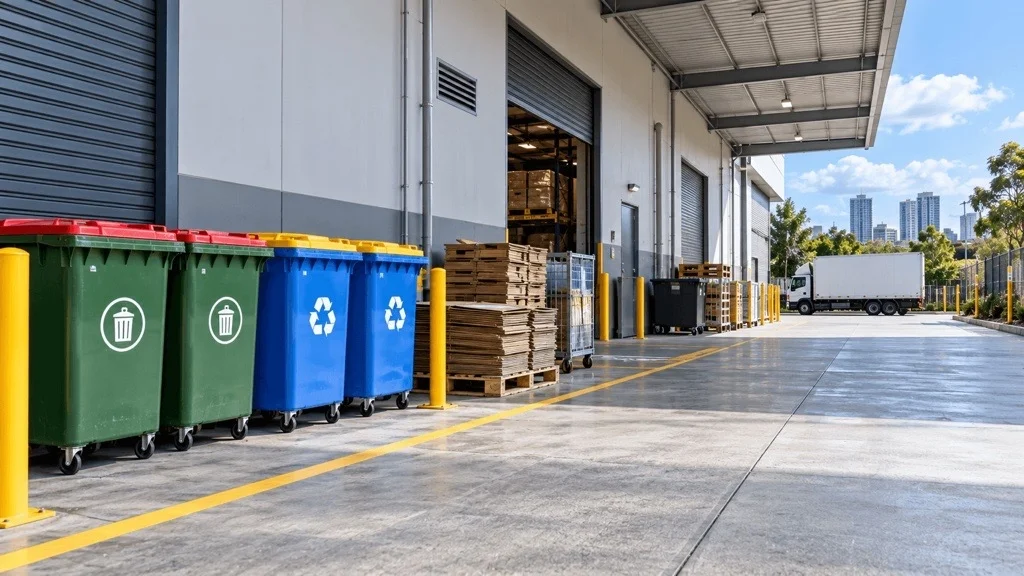
Waste storage zones need to be positioned, designed, and secured with the same intentionality as any other operational area. Dumpster bays placed near main entrances create odour issues, attract pests, and undermine the professional presentation of the property. Unsecured bins become dumping targets for public rubbish, illegal commercial waste, and contamination that fails council collection standards.
Effective waste isolation and security includes:
- Positioning bin bays away from public walkways and main entries
- Enclosing dumpster zones with lockable gates or fencing
- Installing rodent-proof bin designs where appropriate
- Regular pressure washing of storage areas to eliminate grease build-up
- Adequate ventilation to prevent enclosed odour accumulation
Poorly designed waste zones typically become the single biggest driver of pest activity on commercial sites. Facilities that invest in proper enclosure design see immediate reductions in pest sightings, tenant complaints, and council issues. This is why pest prevention across food and retail environments always begins with structured waste management - the two disciplines are inseparable.
2. Establish Effective Recycling Streams at Source
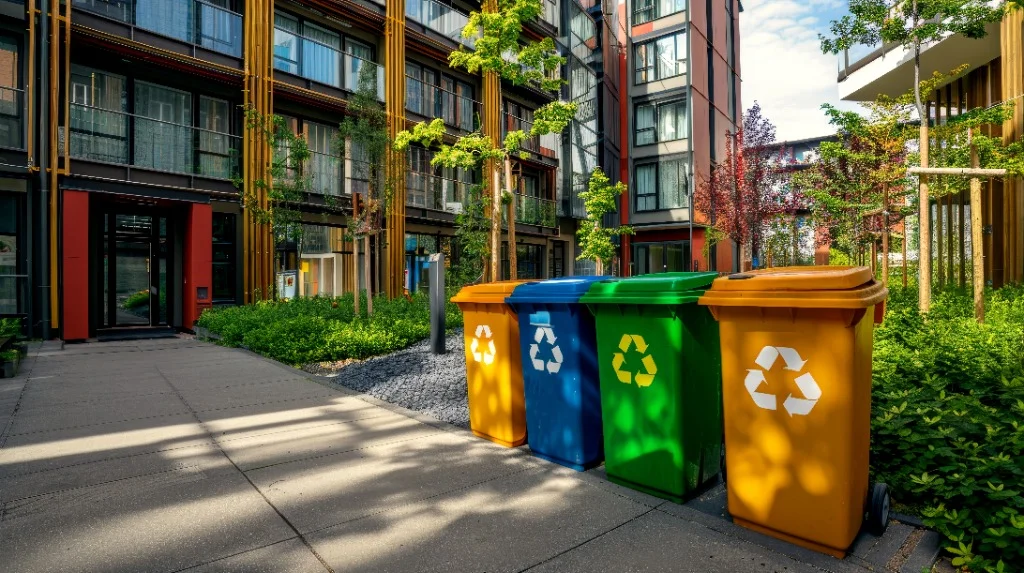
A significant portion of commercial waste - cardboard, paper, plastic packaging, glass, aluminium containers - is fully recyclable. Sites that separate at source dramatically reduce general landfill volumes, lower disposal costs, and demonstrate genuine environmental responsibility to tenants and clients. Recycling programs that fail almost always fail at collection, not at commitment.
Successful source-separation programs require:
- Colour-coded bin systems consistent across the site
- Clear signage in multiple languages where appropriate
- Employee and tenant education on stream contamination
- Scheduled recycling pickups aligned with generation cycles
- Contamination monitoring with feedback to responsible parties
Tenant behaviour drives recycling outcomes. Even the best-designed recycling infrastructure fails when tenants dispose of coffee cups in paper streams, or contaminate cardboard with food waste. Ongoing tenant communication protects program integrity and reduces contamination rejection at recycling facilities.
3. Maintain Restroom Hygiene and Sanitary Bin Services
Restroom cleanliness has an outsized impact on facility perception. Even a well-presented lobby cannot recover a tenant experience damaged by poorly maintained bathrooms, overflowing sanitary bins, or empty consumables. Structured restroom hygiene programs handle bin services, consumable refills, deodorising systems, and deep-cleaning cycles as an integrated service - not disconnected tasks.
Standard restroom hygiene services include:
- Regular sanitary bin services with disposal rotation
- Consumable replenishment (paper, soap, sanitiser)
- Automated deodorising system maintenance
- Scheduled deep cleans with documented completion
- Fault reporting for tap, cistern, and hardware issues
Sanitary bin services in particular carry regulatory requirements that facilities cannot ignore. Feminine hygiene disposal must be handled through licensed services following strict biohazard protocols. Cutting corners here creates health risk and compliance exposure that dwarfs any cost saving. Broader facility cleanliness principles apply - well-maintained restrooms combined with professional workplace cleaning practices deliver a full-experience standard tenants notice.
4. Coordinate Waste Volume and Pickup Frequency Correctly
One of the most common commercial waste management mistakes is mismatched pickup frequency. Under-serviced sites generate overflowing bins, illegal dumping, and pest issues. Over-serviced sites waste money on collections that don't fill bins. Getting the balance right requires real-time monitoring and periodic contract review - not "set and forget" scheduling.
Effective volume management involves:
- Baseline waste audits to understand actual generation rates
- Bin size right-sizing matched to actual volumes
- Frequency adjustments during seasonal peaks and quiet periods
- Overflow monitoring during holidays, sales periods, or events
- Right-sized recycling collection independently of general waste
Facility managers who track waste volumes over time make evidence-based decisions about contracts rather than accepting whatever the provider defaults to. Providers who lock clients into fixed schedules regardless of actual usage often over-service quiet periods and under-service peaks - costing clients more than necessary.
5. Maintain Complete Documentation for Compliance Audits
Waste management is regulated at council, state, and federal levels. Requirements cover licensed disposal, hazardous materials handling, medical waste protocols, chemical disposal, and general commercial waste tracking. Facilities that cannot produce audit documentation face fines, licence issues, and reputational damage - regardless of whether the waste itself was managed correctly.
Documentation typically required includes:
- Waste disposal certificates for each collection
- Chemical waste manifests and destination records
- Sanitary bin service compliance records
- Recycling volumes and stream contamination reports
- Contractor licenses and insurance certificates
Reputable commercial waste providers deliver documentation as standard - through digital platforms, monthly reports, or on-demand access. Providers who supply weak documentation or paper-only records create compliance exposure for facility managers when audits arrive. This documentation-focused approach mirrors how facility managers should approach vetting any commercial services provider - proper records separate real service delivery from marketing claims.
6. Manage Specialised Waste Streams Separately
Not all commercial waste is general refuse. Medical facilities generate clinical and sharps waste. Restaurants generate cooking oils and grease trap contents. Retail sites generate expired product and battery waste. Corporate offices generate confidential documents and e-waste. Each of these streams requires specific handling - mixing them into general collection creates compliance failures.
Common specialised streams that require dedicated handling:
- Clinical waste from healthcare or first aid stations
- Grease trap servicing for food service venues
- E-waste collection for computers, monitors, printers
- Battery and fluorescent tube recycling
- Confidential document destruction with certificates
- Chemical waste under Environment Protection Authority protocols
Facilities that treat all waste as general refuse routinely fail council audits and Environmental Protection Authority reviews. Specialised waste providers deliver stream-specific collection with the certifications and documentation required for compliance.
7. Integrate Waste Management with Broader Facility Operations
Waste management does not exist in isolation. It intersects with cleaning contracts, pest control programs, tenant communications, and facility maintenance. Facilities that treat waste as an isolated line item miss integration opportunities that would deliver better outcomes for the same total cost.
Effective integration opportunities include:
- Coordinated pickup timing to avoid tenant disruption
- Cross-briefing between cleaning and waste teams on hygiene issues
- Joint pest and waste programs targeting shared risk areas
- Unified sustainability reporting for tenant communications
- Consolidated vendor management to reduce administrative overhead
Consolidated facility services delivery - where waste, cleaning, pest control, and grounds work through coordinated providers - reduces both cost and management overhead. Fragmented service delivery through multiple uncoordinated providers creates gaps that fall on facility managers to bridge.
Common Waste Management Mistakes Facility Managers Should Avoid
Even facilities with active waste contracts can undermine their own outcomes through avoidable mistakes. Being aware of these helps you get real value from waste management investment:
- Locking in fixed pickup schedules without volume review. Waste generation shifts with tenant changes, seasonal cycles, and business growth. Contracts that don't allow scheduling adjustments cost more than they should over time.
- Choosing purely on cost per pickup. Cheap providers skip documentation, use unlicensed disposal, and provide minimal compliance support. Total value - including audit-readiness - matters more than headline pricing.
- Ignoring bin bay conditions. Filthy, damaged, or overflowing bin areas signal broader operational neglect. Regular pressure washing, gate repairs, and general upkeep of waste zones matter for both compliance and presentation.
- Skipping tenant education on recycling. Contamination in recycling streams is almost always driven by tenant behaviour, not infrastructure. Ongoing education pays for itself through avoided contamination fines.
- Not documenting incident responses. When waste service issues occur - missed pickups, overflowing bins, contamination events - the response matters as much as the incident itself. Documented corrective actions demonstrate active management during audits.
Ready to Improve Compliance and Hygiene with Structured Waste Management?
Commercial waste management shouldn't feel like a constant fire-fighting exercise. YOT Services delivers integrated commercial waste management across Brisbane and wider Queensland - including secured bin bay management, sanitary bin services, recycling stream coordination, restroom hygiene programs, and full audit documentation. Every contract is structured around your site's actual waste profile, tenant mix, and regulatory environment.