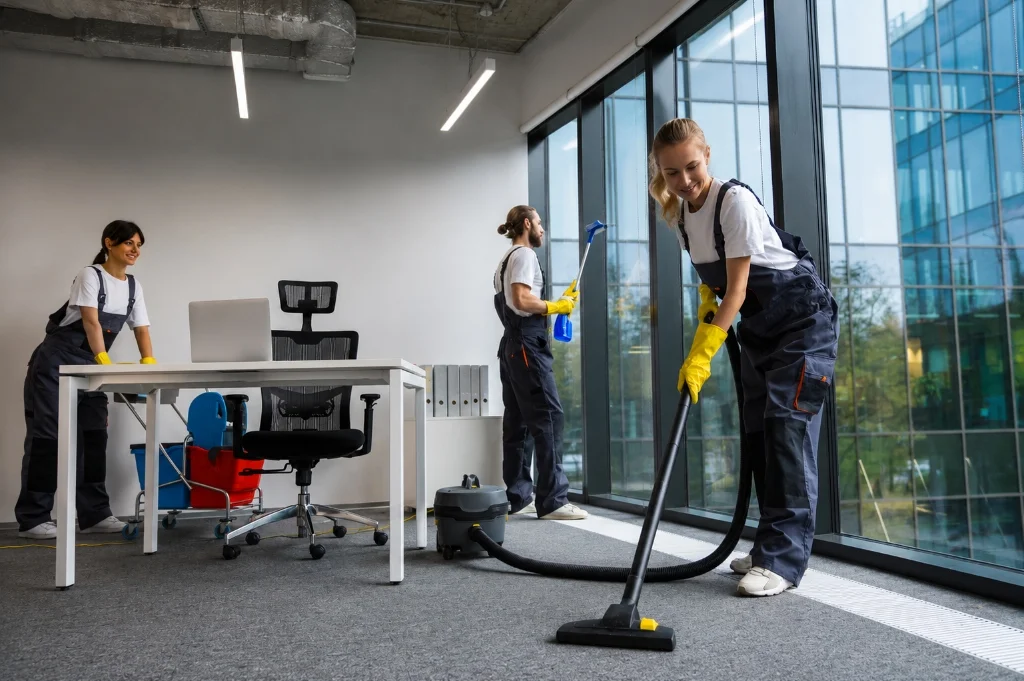
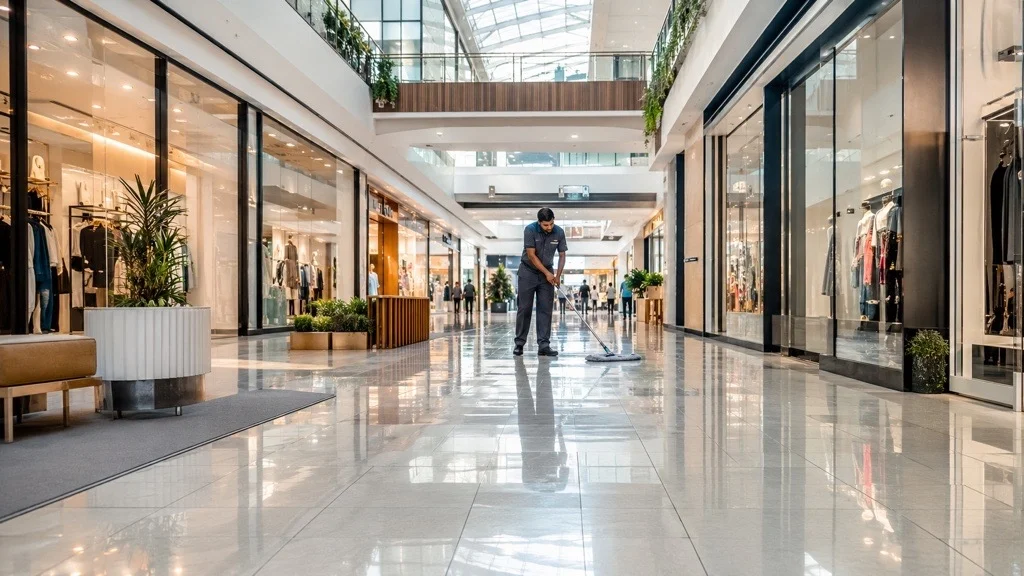
Walk through a Brisbane CBD shopping mall at 8am and you'll see something a quiet suburban strip centre never has to deal with, thousands of people moving across polished floors before the coffee shops have even opened properly. Retail cleaning in Brisbane isn't one single service that gets applied everywhere the same way. It shifts depending on foot traffic, the mix of tenants, trading hours, and honestly even how old the building is. If you manage property, getting your head around these differences is really the starting point for picking the right shopping centre cleaning Brisbane provider for your site. It also helps to know how this compares with standard commercial office cleaning, since retail sites often need a very different approach.
This guide looks at how retail precinct cleaning needs change across different Brisbane property types, the challenges each one runs into, and what should actually be on a proper retail cleaning checklist.
Why Retail Precinct Cleaning Isn't One Size Fits All
Every retail precinct runs on its own rhythm. A CBD food court gets slammed during the lunch rush. A suburban shopping strip tends to see more even, spread out foot traffic across the day. Then you've got the big regional shopping centres that almost operate like small towns, with hundreds of staff, loading docks running constantly, and public restrooms that need eyes on them all day.
These differences change more than just when the cleaners show up. They affect the equipment used and how often spot cleaning happens. A site with heavy foot traffic needs someone checking floors and high touch areas throughout the day, not just a solid overnight clean and hoping it holds. A quieter suburban centre can often get by with a thorough nightly service plus light touch ups during the day. This is really why shopping centre cleaning Brisbane operators need a plan built around the actual site, not a generic checklist copied across every property.
CBD Shopping Centres vs Suburban Retail Strips
Brisbane's CBD retail scene really doesn't look much like its suburban counterparts, and the cleaning side of things reflects that pretty clearly.
In the CBD, commercial cleaning Brisbane CBD properties are dealing with high rise foot traffic, tight servicing windows because of council noise restrictions and building access rules, plus a mix of retail, office, and hospitality tenants often sharing the same common areas. Entry glass and facade cleaning tend to matter a lot more here since CBD storefronts are constantly exposed to dust, pollution, and just general pedestrian contact all day long. Floors take a beating too from thousands of footsteps daily, so vinyl and tile surfaces need more frequent polishing just to hold their presentation.
Suburban retail strips work differently. You've usually got car parks, outdoor walkways, and covered arcades in the mix, so cleaning stretches beyond the shopfront itself into pathway sweeping and the occasional pressure wash of common walkways. Tenant turnover is generally lower too, meaning contracts tend to run longer term with scopes that don't change much year to year. That said, suburban centres still carry their own presentation pressure, especially the ones anchored by a supermarket or medical centre where people expect a certain hygiene standard.
Both environments need a professional standard, sure, but the actual schedule, equipment, and priority areas shift quite a bit between the two.
Common Challenges in Shopping Centre Cleaning Brisbane Businesses Face
Property managers running shopping centre cleaning Brisbane contracts tend to run into the same handful of issues over and over.
- High footfall wear: Entrances, common area floors, and escalators cop the most punishment. Skip regular polishing and spot mopping and the wear shows up fast, and it drags down how the whole centre looks.
- Coordinating multiple tenants: Most shopping centres have dozens of individual tenants, each with their own hours and their own cleaning quirks. Getting common area cleaning scheduled around varying trading hours, deliveries, and the odd event takes real coordination, not guesswork.
- Spills and food waste: Any centre with a food court or cafes is going to see spills throughout the day, not just after closing. That means you need daytime staff who can respond quickly, not just an overnight crew that shows up once everyone's gone home.
- Restroom demand: Public restrooms in busy centres need servicing way more often than a typical office restroom would, both for hygiene reasons and to keep up with what customers expect. Many centres pair this with dedicated sanitary bin services to keep restrooms fully serviced between cleans.
Getting on top of these is really what separates a basic cleaning contract from one that actually holds up under real trading conditions.
Food Courts and High Footfall Zones: Extra Hygiene Demands
Food courts and dining precincts inside shopping centres carry hygiene obligations that go a fair bit beyond general retail cleaning. Grease building up on floors, food waste bins filling fast, shared seating getting messy, all of it needs attention multiple times a day, not just an overnight pass.
Retail hygiene in these zones also comes down to high touch surfaces, think table tops, tray return stations, condiment counters, door handles going into the food area. Leave these unmanaged and they turn into the exact spots that trigger complaints, or worse. A food court cleaning program that's actually working usually includes scheduled daytime wipe downs, proper bin management, and a stronger degreasing routine on hard floors than you'd need anywhere else in the centre. Grease and food waste buildup also creates ideal conditions for pests, which is why food court zones often need dedicated pest prevention strategies running alongside the cleaning schedule.
What a Proper Retail Cleaning Checklist Should Include
A solid retail cleaning checklist gives property managers a clear benchmark to measure their current cleaning provider against. At minimum, it should cover:
- Daily sweeping and mopping of common area floors
- Entrance glass and door handle sanitising
- Restroom servicing multiple times per day in high traffic centres
- Food court table and surface wipe downs during trading hours
- Bin collection and waste area management
- Weekly or fortnightly floor polishing depending on foot traffic
- Facade and window cleaning on a scheduled rotation
- Spot cleaning response for spills during trading hours
- Digital reporting or checklist verification for accountability
Using retail cleaning services in Brisbane that actually follow a checklist like this, with proper reporting behind it, gives property managers confidence the standard is genuinely being met rather than just assumed.
Choosing the Right Shopping Centre Cleaning Services in Brisbane
When you're comparing shopping centre cleaning services Brisbane operators offer, it's worth looking past price alone. A few things worth asking upfront:
- Can they offer both scheduled overnight cleaning and a fast daytime response for spills and high traffic areas?
- Can they scale staffing up during busy periods like school holidays or big sales events without a fuss?
- Do they give you digital audit reports so you can actually verify the work got done, rather than trusting a paper sign off sheet that anyone could fill in?
If a provider can say yes to all three, they're generally in a much better position to handle a live retail environment than a standard office cleaning contractor stepping into territory they're not used to. For a deeper breakdown of what to check before signing a contract, see our guide on how to vet a commercial cleaner properly.
Keeping Your Brisbane Retail Site Presentation Ready
Whether you're managing a CBD tower with ground floor retail or a suburban shopping strip, presentation shapes how customers see your tenants and your property, whether you think about it consciously or not. Working with a provider who genuinely knows commercial office cleaning and janitorial services across different retail environments means fewer surprises down the track and more consistent results week to week.
YOT Services works with Brisbane property managers across CBD and suburban retail precincts, running cleaning programs built around the site with digital reporting and scheduling that flexes as needed. If your current provider isn't keeping up with your site's actual foot traffic, it might be worth a review.