A workplace that looks clean but hides dust behind monitors, grime on shared keyboards, or bacteria on lift buttons is quietly costing your business more than you think. Facility managers often invest heavily in ergonomic chairs, collaboration software, and lighting upgrades - yet the single environmental factor that shapes daily focus, sick leave rates, and staff morale is something far more basic: the standard of daily cleaning.
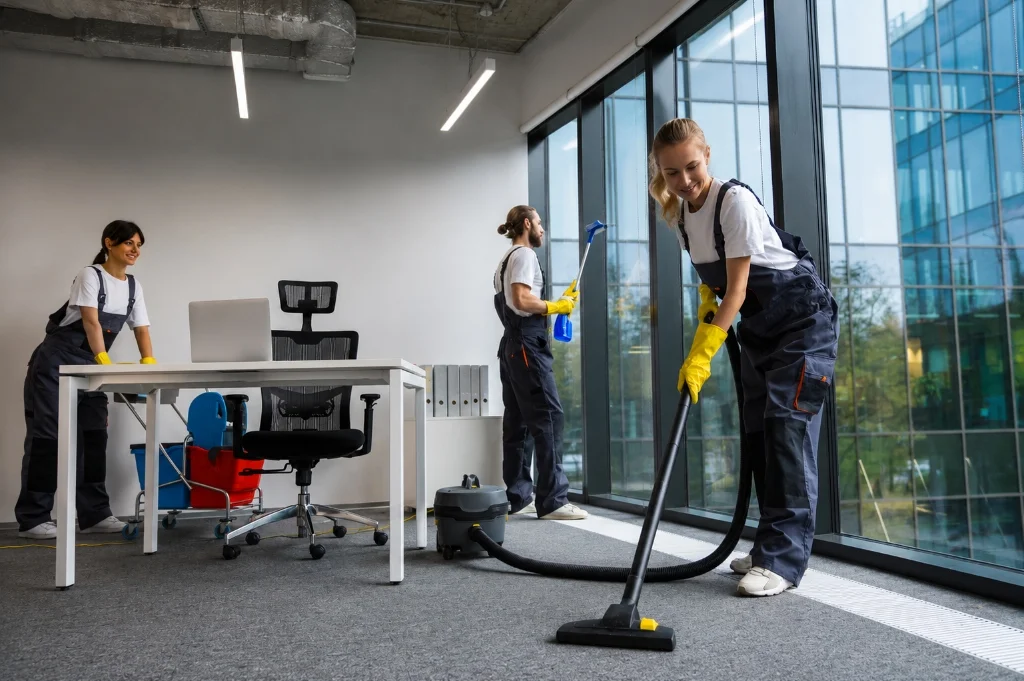
Professional commercial office cleaning goes beyond surface polish. It removes the invisible triggers that reduce concentration, spread illness, and damage first impressions with visiting clients. When cleaning is treated as a strategic investment rather than a routine expense, the return shows up in measurable ways - from lower absenteeism to sharper team output.
In this guide, we break down 7 clear ways that structured janitorial services and workplace sanitation directly improve productivity, wellness, and long-term operational efficiency across modern offices. Whether you manage a corporate tower, medical practice, or shared coworking space, these benefits apply.
1. Reduces Workplace Absenteeism Through Targeted Sanitation
Colds, flu, and gastroenteritis viruses spread rapidly across shared desks, keyboards, phones, and breakroom appliances. High-touch surfaces are the biggest transmission risk - and they are the most commonly missed spots during rushed in-house cleans.
Professional office sanitization programs specifically target these transmission zones: door handles, lift buttons, printer panels, kitchen taps, coffee machine controls, and shared meeting room equipment. Hospital-grade disinfectants approved for commercial environments break the bacterial chain that causes staff to call in sick.
The productivity impact is direct. Fewer sick days mean fewer disrupted meetings, fewer missed deadlines, and less pressure on remaining team members to cover workloads.
Key transmission points that professional cleaners target:
- Shared keyboards, mice, and desk phones
- Kitchen appliances (fridge handles, microwaves, coffee machines)
- Bathroom fixtures and restocked hygiene supplies
- Meeting room surfaces and shared conference equipment
- Reception counters and visitor sign-in tablets
Consistent, structured cleaning is far more effective than periodic deep cleans at reducing absenteeism.
2. Improves Focus by Reducing Visual and Mental Clutter
The environment your team walks into every morning shapes their mental state for the day. Dusty surfaces, cluttered breakrooms, streaked windows, and grimy floors send a subtle message that details do not matter - and staff performance mirrors that signal.
A professionally maintained workspace does the opposite. Polished floors, spotless glass partitions, wiped-down conference tables, and fresh-smelling common areas create the psychological cue that this is a place where work gets done properly.
Environmental psychology research consistently shows that clean, organised spaces reduce cognitive load. Employees spend less mental energy filtering out distractions and more on the task in front of them.
For businesses in Brisbane commercial hubs, where clients frequently visit offices, the professional impression a spotless workplace conveys can also influence contract renewals, partnership discussions, and staff retention rates.
3. Extends the Lifespan of Building Assets and Flooring
Carpets, vinyl flooring, timber, stone tiles, and upholstered furniture represent significant capital investment. Neglected cleaning shortens their usable life dramatically - grit trapped in carpet fibres cuts the pile, moisture damage warps timber, and dust build-up dulls polished stone permanently.
Structured commercial cleaning programs protect these assets through method-appropriate care. Vinyl floors receive periodic strip-and-seal treatments. Carpets get scheduled hot-water extraction. Stone surfaces are dust-managed and buffed. Glass and metal fittings receive streak-free maintenance.
Vinyl floor strip and seal work in particular can extend flooring life by 5-8 years when done on a proper schedule. Regular facade cleaning services protect exterior building elements from long-term staining and corrosion. What looks like a routine cleaning cost is actually asset protection - reducing capital replacement expenditure over time.
4. Promotes Employee Wellness with Eco-Friendly Cleaning Products
Traditional cleaning chemicals - chlorine-based disinfectants, ammonia-heavy glass cleaners, and aerosol sprays - leave lingering fumes that trigger headaches, respiratory irritation, and skin sensitivity. Staff working near these residues report reduced focus and increased sick building syndrome symptoms.
Modern professional cleaning services use certified low-VOC (volatile organic compound) and plant-based solutions that clean effectively without polluting indoor air. Botanical disinfectants, biodegradable degreasers, and TGA-approved sanitisers protect employee wellness while meeting hygiene standards.
This matters most in:
- Open-plan offices with shared HVAC systems
- Medical waiting rooms and consultation suites
- Childcare and education facilities
- Corporate boardrooms with poor ventilation
- Spaces with staff who have chemical sensitivities or asthma
The productivity gain is measurable: fewer sick days, clearer thinking, and better staff satisfaction with the working environment.
5. Supports Workplace Safety and Compliance
A clean workplace is a safer workplace. Slip hazards from wet floors, tripping risks from cluttered corridors, and blocked fire exits from waste build-up are all preventable through consistent cleaning routines.
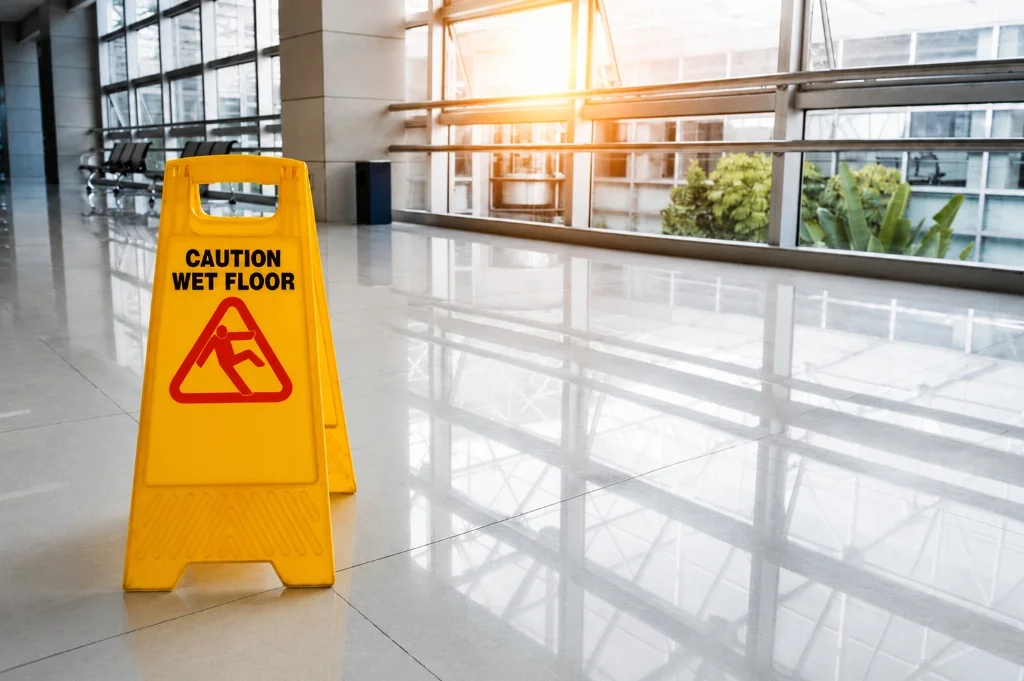
Professional providers deliver structured safety protocols: wet floor signage during mopping, immediate spill response, correct storage of cleaning chemicals, and documented compliance with WHS requirements. This reduces workers' compensation risk and liability exposure for building owners.
Compliance-focused cleaning is especially critical for:
- Healthcare and aged care facilities (infection control audits)
- Food service and hospitality (HACCP inspections)
- Educational institutions (childcare regulations)
- Corporate offices (WHS Queensland compliance)
Facility managers who invest in professional cleaning are not just buying cleanliness - they are buying documentation, accountability, and risk reduction. Well-run cleaning teams keep detailed logs, digital audits, and incident records that stand up to scrutiny.
6. Enhances Brand Presentation for Clients and Visitors
Every person who walks through your front door forms an impression within seconds. Fingerprint-covered glass doors, dust on reception counters, or a stained lobby carpet undermines even the strongest sales pitch or investor meeting.
Consistent presentation-focused cleaning ensures that first impressions match the professional standards you want your brand associated with. Reception areas, meeting rooms, and client-facing zones receive priority attention. Windows are streak-free. Floors are polished. Bathrooms are stocked and sanitised.
For businesses that host frequent client visits - legal firms, accounting practices, medical clinics, real estate offices - this level of presentation directly influences client trust and retention. A workspace that feels well-maintained signals a business that pays attention to detail everywhere else, too.
7. Delivers Cost Efficiency Through Structured Cleaning Contracts
Ad-hoc cleaning arrangements - hiring different providers for different tasks, rushing in emergency cleaners, or overpaying for one-off deep cleans - cost significantly more than a structured commercial cleaning contract.
Professional providers deliver bundled services: daily janitorial rounds, weekly detailed cleans, monthly floor treatments, and quarterly deep cleaning cycles under one accountable contract. This eliminates coordination overhead, prevents service gaps, and locks in predictable costs.
Additional cost-efficiency benefits include:
- Consistent supervisor accountability (one point of contact)
- Digital reporting and audit trails
- Coordinated scheduling around your operational hours
- Bulk purchasing of consumables (paper, soap, waste liners)
- Reduced staff hours spent managing cleaning issues internally
For a Brisbane-based facility team, moving from ad-hoc cleaning to structured contract-based janitorial services typically reduces total facility spend by 15-25% while improving cleaning consistency.
Common Mistakes Facility Managers Should Avoid
Even with a professional cleaning contract in place, some common mistakes undermine results. Being aware of these helps you get the most from your cleaning investment:
- Not defining a clear scope of work. Cleaning contracts that lack itemised task lists lead to disputes about what is included. Insist on a detailed scope document from day one - vetting your commercial cleaner properly before signing prevents most disputes from ever starting.
- Skipping periodic scheduled treatments. Daily cleans keep surfaces presentable, but without periodic strip-and-seal, carpet extraction, or high-dusting, long-term degradation still occurs. Build these cycles into your contract from the start.
- Ignoring digital audit reports. Modern cleaning providers offer digital checklists and photo evidence. Facility managers who do not review these lose visibility into what is actually being done.
- Choosing solely on price. The lowest quote often reflects understaffed sites, poorly trained crews, and inconsistent supervision. Total value - not hourly rate - is the correct metric.
- Not communicating operational changes. New meeting rooms, expanded office footprints, or changing shift patterns require cleaning scope updates. Active deterrence through security patrols also benefits from the same principle - regular scope reviews with your provider prevent service gaps across all facility services.
Ready to Improve Your Workplace with Professional Cleaning?
Structured commercial office cleaning and janitorial services shouldn't feel complicated. YOT Services delivers comprehensive facility support across Brisbane and wider Queensland - including specialist services like vinyl floor strip and seal, facade cleaning, and eco-friendly sanitation programs. Every contract includes supervisor accountability, digital audits, and schedules built around your operational hours.