
First impressions of a commercial property form before any visitor steps through the front door. The condition of the driveway edges, the presentation of the lawn, the shape of the hedges, and the state of the garden beds all send an immediate signal - either "this business pays attention to detail" or "this business is coasting." For shopping centres, corporate campuses, hospitality venues, healthcare facilities, and precinct managers, that signal directly influences tenant satisfaction, client confidence, and long-term asset value.
Structured commercial garden maintenance is not cosmetic. It is a strategic investment that protects brand presentation, extends asset lifespan, supports compliance with local requirements, and reduces long-term repair costs. Well-maintained exteriors also carry through into tenant retention, higher lease rates, and stronger property valuations - outcomes that far outweigh the ongoing cost of professional grounds care.
This guide breaks down 7 practical benefits Brisbane property managers and building owners gain from structured commercial landscaping. Whether you manage a corporate tower, retail centre, industrial park, or hospitality venue, these strategies protect both presentation and long-term asset performance.
1. Create Strong Curb Appeal and Brand Consistency
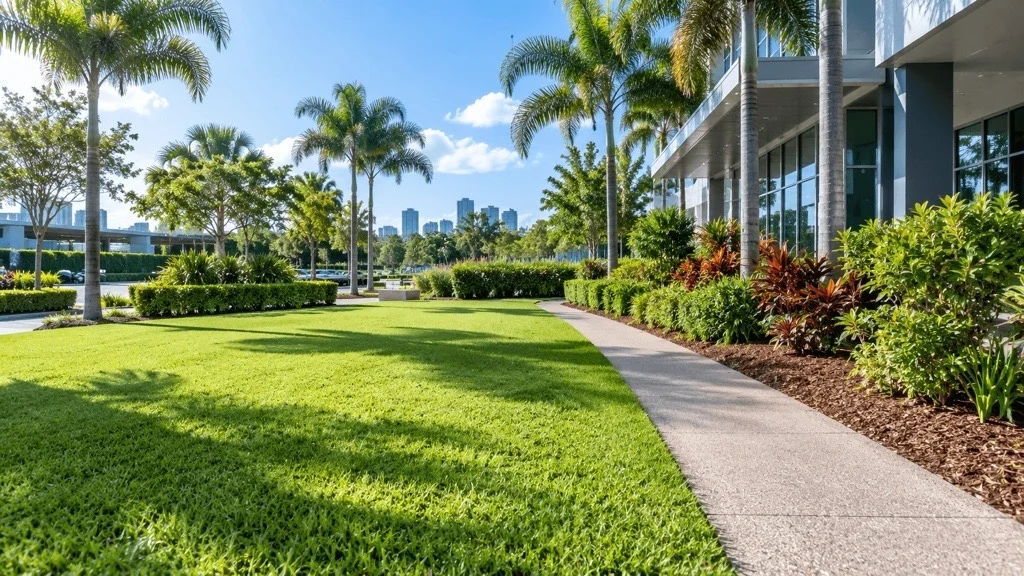
Overgrown weeds, patchy lawns, unedged garden borders, and dying plants damage the first impression a property gives - no matter how impressive the interior fitout or the building architecture. Clean, healthy, well-shaped landscaping does the opposite, positioning the property as a premium environment worth working in, visiting, or investing in.
Curb appeal essentials include:
- Consistently mowed and edged lawns
- Pruned hedges shaped to defined lines
- Weed-free garden beds with fresh mulch
- Healthy seasonal plantings matched to the property style
- Clean walkways free of debris and encroaching vegetation
Property managers who coordinate landscaping with overall brand presentation - matching colours, plant selection, and layout to the corporate identity - create environments that reinforce brand signals every time someone visits. This same presentation discipline applies indoors - well-maintained exteriors combined with professionally cleaned workplaces deliver full-experience consistency across the property.
2. Protect Long-Term Asset Value and Reduce Repair Costs
Neglected landscaping doesn't just look bad. It creates real, escalating repair costs over time. Tree roots crack pathways and drainage systems. Overgrown vegetation damages facades and eaves. Poor drainage causes soil erosion around foundations. What starts as skipped garden maintenance becomes major capital repair work within a few years.
Structured maintenance protects assets through:
- Regular pruning to prevent tree root damage
- Vegetation clearance from facades, gutters, and roof lines
- Drainage inspection and clearing around foundations
- Mulching to control soil erosion and root health
- Fertilisation and treatment cycles to maintain plant health
Facility managers who treat landscaping as asset protection - rather than optional beautification - extend building life significantly and reduce long-term capital repair budgets. Professional lawn mowing services combined with structured garden care also preserve the finish and value of surrounding paving, edging, and irrigation systems.
3. Support Water Efficiency Through Native Planting
Queensland's climate - hot summers, unpredictable rainfall, humid periods - makes water efficiency both environmentally responsible and financially important. Landscaping approaches designed around native and drought-resistant plants dramatically reduce water use while maintaining strong visual presentation year-round.
Water-efficient landscaping strategies:
- Native Australian planting matched to local rainfall patterns
- Mulch layering to retain soil moisture
- Drip irrigation systems replacing spray systems
- Rainwater capture and re-use
- Seasonal watering schedules matched to plant needs
Sustainable landscaping also reduces the need for chemical treatments - native plants generally resist pests naturally, cutting the reliance on herbicides and pesticides. This lowers cost, reduces environmental impact, and positions the property as environmentally conscious for tenants and clients who care about sustainability.
4. Reduce Slip, Trip, and Vegetation-Related Hazards
Poorly maintained landscaping is a leading cause of exterior slip and trip incidents. Overgrown vegetation obscures pathway edges. Fallen leaves create slick surfaces during rain. Untrimmed hedges block sightlines at driveway crossings. Root systems lift and crack pathways. These are all preventable hazards under a structured grounds program.
Safety-focused landscaping includes:
- Regular pathway sweeping and debris removal
- Hedge trimming at sightline height near driveways
- Root inspection and pathway maintenance
- Clear separation between garden beds and walking zones
- Storm-response clean-up for fallen branches and debris
Property managers who take exterior safety seriously connect landscaping directly to broader slip hazard mitigation on facility exteriors - the two disciplines overlap significantly and share the same insurance and liability implications.
5. Maintain Compliance with Local Council and WHS Requirements
Commercial properties face compliance requirements that go beyond aesthetics. Council regulations often mandate boundary trimming, driveway sight-line clearance, and vegetation buffers around fire hydrants and utility access points. Failing to maintain these standards triggers council notices, fines, and reputational damage.
Compliance-focused landscaping tasks:
- Boundary trimming to comply with council specifications
- Driveway and intersection sight-line management
- Fire hydrant and utility access clearance
- Stormwater drain and grate maintenance
- Signage visibility maintenance
Well-run landscaping programs document these compliance tasks and provide audit records to property managers. This documentation supports insurance renewals, defends against complaints, and demonstrates active management to councils and regulators.
6. Control Weeds and Invasive Vegetation Proactively
Weeds and invasive species don't just look untidy - they actively damage lawns, gardens, and paving over time. Some invasive species can trigger council action if they spread from commercial property boundaries. Managing weeds proactively is far cheaper than restoring damaged lawns or landscape features after the fact.
Effective weed control services include:
- Pre-emergent herbicide programs on paved surfaces
- Manual weeding in sensitive garden zones
- Post-emergent spot treatment for outbreaks
- Kerb-line and gutter clearing to prevent seed spread
- Selective versus non-selective treatment matched to context
Facility managers who let weed control slip typically discover expensive damage - lifted paving from persistent root growth, dead lawn patches from aggressive competition, or infestations that trigger council notices. Structured weed control programs prevent these outcomes.
7. Improve Tenant Satisfaction and Retention
Tenants and their staff notice the presentation. Beautiful, well-maintained exteriors improve daily employee experience, support lunchtime outdoor use, create photograph-worthy backdrops for corporate events, and generally raise the perceived quality of the workplace. This shows up in tenant retention metrics, satisfaction surveys, and lease renewal negotiations.
Landscaping features that support tenant experience:
- Outdoor break areas with shaded seating
- Feature gardens for photograph and event use
- Wellness-oriented spaces with native plantings
- Consistent presentation across all common areas
- Seasonal planting rotations to keep environments fresh
Multi-tenant property managers who invest in exterior presentation often report higher lease renewal rates and stronger negotiating positions on rent reviews. Professional landscaping providers understand this and deliver plans that align with tenant retention outcomes, not just plant health. Choosing providers carefully - much like vetting any commercial services provider - separates real long-term partners from providers who deliver only surface-level results.
Common Commercial Landscaping Mistakes Property Managers Should Avoid
Even properties with active landscaping contracts can undermine their own outcomes through avoidable mistakes. Being aware of these helps you get real value from grounds maintenance:
- Choosing purely on lowest quote. Cheap landscaping providers cut corners on soil health, prune incorrectly, and use low-grade materials. The visual difference emerges within months - and repair costs escalate quickly.
- Skipping seasonal planning. Landscaping needs to shift dramatically across seasons. Contracts that stay static year-round fail during storm season, autumn shedding, and drought periods. Build seasonal scaling into contracts from day one.
- Ignoring soil health. Beautiful gardens depend on healthy soil. Providers who focus only on visible plants without soil management set the property up for repeated replanting cycles instead of long-term garden health.
- Not documenting maintenance activity. Without proper records of grounds care - treatments applied, pruning cycles, replacement plantings - defending against claims or negotiating repairs with providers becomes much harder.
- Overlooking irrigation efficiency. Old spray irrigation systems waste water, damage foundations, and cost significantly more than modern drip systems. Long-term contracts should include irrigation review as a standard element.
Ready to Elevate Curb Appeal with Professional Landscaping?
Commercial landscaping shouldn't feel like a compromise between presentation and cost. YOT Services delivers structured commercial landscaping across Brisbane and wider Queensland - including scheduled mowing, garden bed care, native planting design, weed control, and seasonal maintenance planning. Every contract includes documented service delivery, sustainable practices, and coordination with your property management team.