Anyone managing a commercial property in Brisbane knows the grounds don't behave the same way year round. One month the lawn barely needs a trim, the next it's growing so fast you'd swear it doubled overnight. That's the reality of running commercial grounds maintenance Brisbane properties actually need, a subtropical climate with a genuine wet season and dry season that completely changes what your site requires at different points in the year.
This guide looks at how Brisbane's climate shapes grounds maintenance scheduling, what changes between wet and dry season, and what a proper maintenance checklist should include so your property never looks neglected no matter what time of year it is. If your site also handles green waste and garden debris as part of the routine, it's worth reviewing how that ties into your broader commercial waste management setup.
Why Brisbane's Climate Makes Grounds Maintenance Different
Brisbane sits in a subtropical zone, which means hot humid summers, mild winters, and a genuine wet season that runs roughly from November through March. This isn't like managing grounds in a temperate climate where growth slows down predictably every winter and picks back up in spring. Here, growth can surge dramatically during the wet season, then slow right down during the drier winter months, but rarely stops completely.
For property managers, this means a fixed monthly mowing schedule that works fine in June can leave a site looking overgrown and messy by January. Groundskeeping in Brisbane really needs to flex with the seasons rather than running on autopilot year round.
Wet Season vs Dry Season Maintenance Needs
During the wet season, grass and garden beds grow fast, sometimes needing attention every one to two weeks rather than the standard fortnightly or monthly visit. Weeds also take advantage of the moisture and warmth, spreading quickly if left unchecked. Drainage becomes a bigger issue too, waterlogged garden beds or pooling on lawns can damage plants and create slip hazards on walkways if not managed properly.
Dry season, typically April through October, sees growth slow noticeably. Mowing frequency can usually drop back, sometimes to once every three to four weeks depending on the site. This is also a good window for garden bed maintenance work like mulching, pruning, and replanting, since plants aren't fighting rapid weed competition the way they are during the wetter months.
The mistake a lot of sites make is sticking to the same schedule year round, either overservicing during dry months and wasting budget, or underservicing during wet season and letting the site get away from them.
Groundskeeping Basics Every Commercial Property Needs
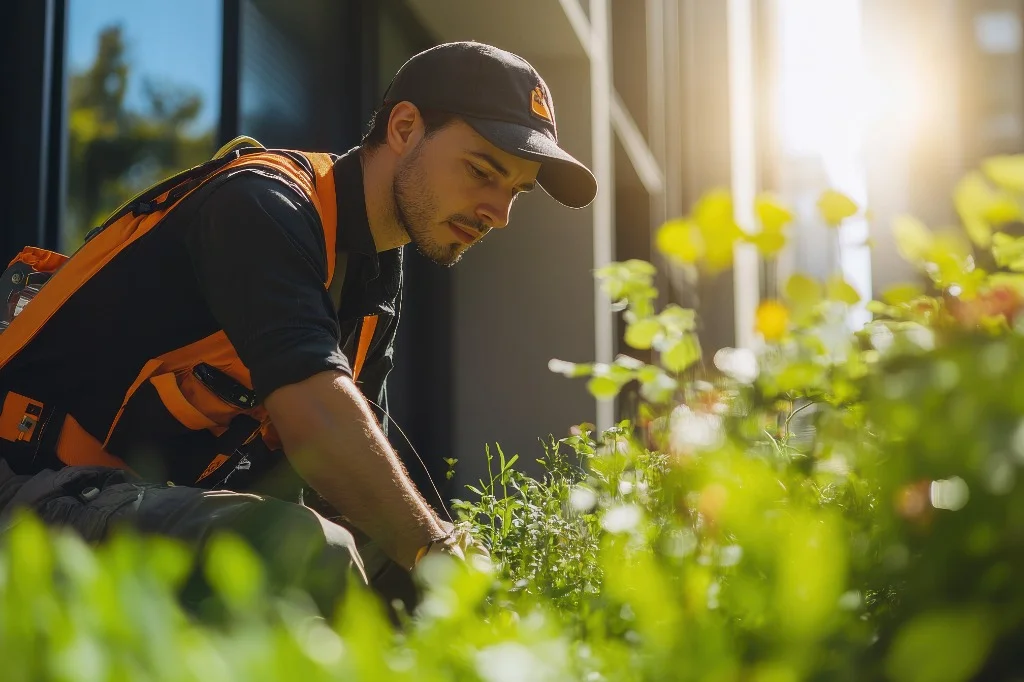
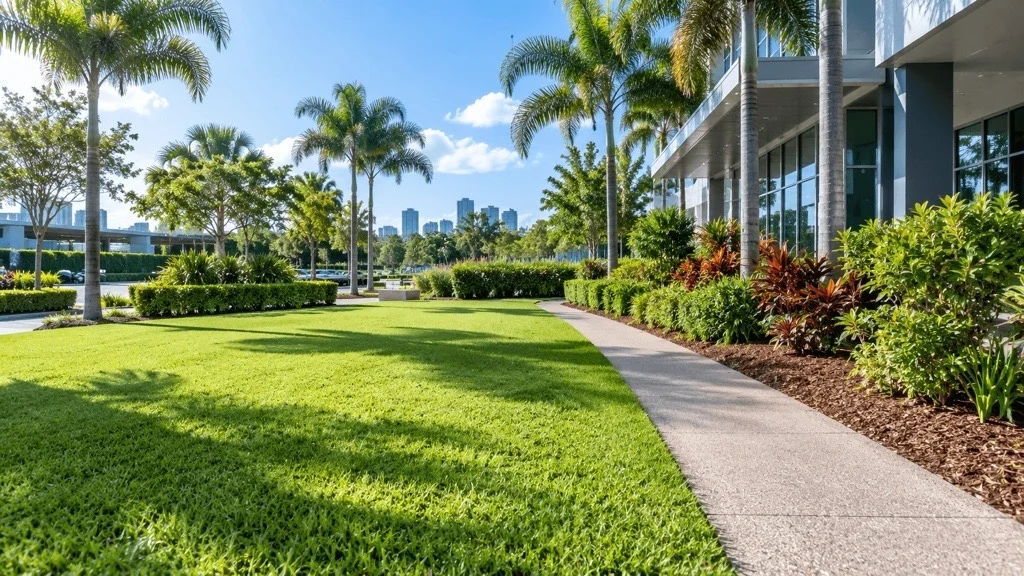
Solid groundskeeping covers more than just mowing. A well managed commercial site typically includes regular lawn mowing services adjusted for seasonal growth rates, garden bed maintenance including weeding, mulching, and pruning, edge trimming along pathways and building perimeters, and clearing of leaf litter and debris, especially after storms which Brisbane gets plenty of during wet season.
Irrigation also plays a role here. Sites with garden beds or lawns relying on manual watering often struggle during dry season without a proper watering schedule, while sites with irrigation systems need those systems checked and adjusted seasonally so they're not overwatering during wet months or underwatering during dry ones.
Open Space and Sports Ground Maintenance Considerations
Larger sites with open space maintenance needs, think shared common areas, parklands attached to a commercial development, or sports ground maintenance for schools and community facilities, face additional demands beyond a standard garden bed and lawn setup.
These spaces typically see higher foot traffic, which compacts soil and wears down grass in high use zones faster than in lower traffic garden areas. Sports grounds specifically often need aerating and turf treatment to keep the surface safe and playable, particularly heading into wet season when waterlogged fields become both a maintenance issue and a genuine safety concern for anyone using them.
School grounds maintenance carries its own layer of consideration too, since these sites need to balance appearance and safety with strict scheduling around school hours and term breaks, meaning a lot of the heavier work gets planned around holiday periods when the grounds aren't in active use.
A Simple Commercial Grounds Maintenance Checklist
Use this as a baseline to check whether your current grounds maintenance schedule is actually keeping pace with the season:
- Mowing frequency adjusted seasonally, more frequent during wet season, reduced during dry season
- Garden beds checked for weed growth at least fortnightly during wet season
- Drainage and pooling checked after heavy rain events
- Leaf litter and storm debris cleared promptly, especially after wet season storms
- Edge trimming maintained along pathways and building entry points
- Irrigation systems adjusted seasonally to avoid over or under watering
- High traffic areas monitored for soil compaction and turf wear
- Facility grounds care extended to shared common areas, not just the main lawn
Running through this regularly, especially at the start of each season, helps catch issues before the site starts looking neglected.
Common Mistakes That Lead to Overgrown or Neglected Sites
A few patterns show up again and again on sites that fall behind. Sticking to a fixed schedule regardless of season is probably the biggest one, since it either wastes money in slow growth months or lets the site get away from the crew during peak growth. Ignoring drainage issues until they become a visible problem is another, since standing water and waterlogged garden beds only get worse the longer they're left. And treating garden bed maintenance as an afterthought compared to lawn mowing tends to leave beds looking messy even when the lawn itself is well kept.
Sites that stay ahead of these issues usually have a maintenance partner who actively adjusts the schedule rather than just showing up on the same day every month regardless of what the grounds actually need. Many of these same sites also coordinate general waste removal alongside their grounds contract, since green waste and garden debris removal often needs to run on a similar seasonal rhythm.
Keeping Your Brisbane Property Looking Its Best Year Round
Grounds maintenance in Brisbane isn't something that works well on a set and forget schedule. Getting the seasonal rhythm right, more attention during wet season, a steadier pace during dry season, is what actually keeps a commercial property looking sharp all year rather than swinging between overgrown and overly manicured depending on the month. If presentation matters across your whole site, it's worth looking at how commercial landscaping affects curb appeal alongside your regular maintenance schedule.
Wet season also brings its own safety considerations beyond just the lawn, overgrown pathways and pooling water can quickly turn into a slip hazard if grounds aren't kept on top of, something worth reviewing alongside your broader site safety plan.
YOT Services works with Brisbane property managers to build grounds maintenance schedules that actually track the seasons rather than running on a fixed calendar. Head over to YOT Services to see the full range of facility support on offer, or get in touch to talk through a maintenance plan suited to your site.