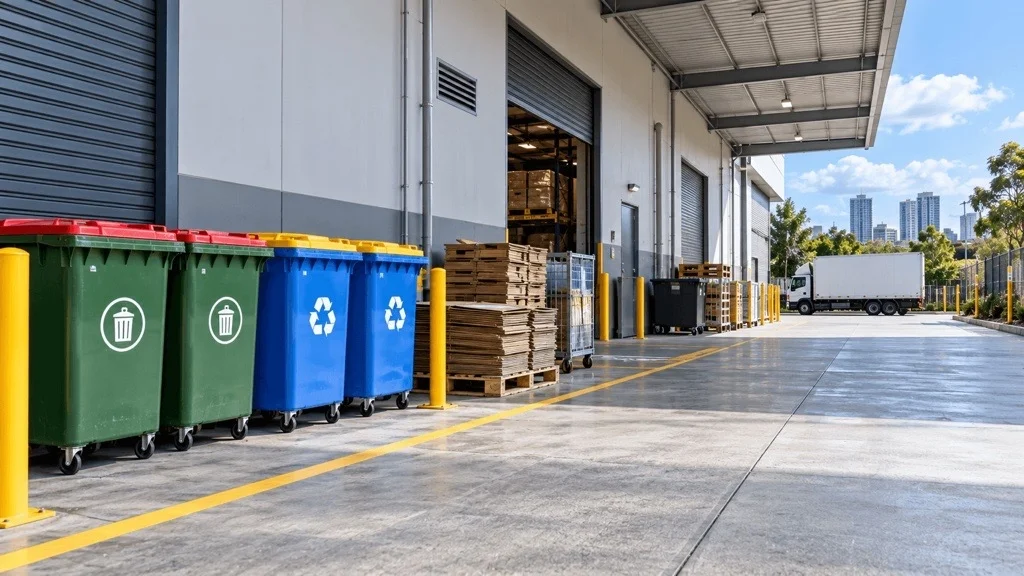
Walk past the loading dock of any busy Brisbane shopping strip on a Monday morning and you'll see it straight away, bins overflowing from the weekend rush, cardboard stacked against the wall because nobody collected it in time, and a general waste bin that somehow has three different businesses' rubbish jammed into it. Most business owners assume waste management just means having a bin out the back that gets emptied once a week. In reality, it's a lot messier and more involved than that once you're running a retail site, an office building, or anything with food service involved, especially somewhere as busy and fast moving as Brisbane's commercial strips. Getting it wrong isn't just an eyesore either, it leads to pest issues, compliance headaches, and the kind of overflow that makes a whole precinct look neglected.
This guide breaks down what a proper commercial waste management plan actually includes, how collection differs from removal, where recycling fits in, and what to look for when choosing a provider for your Brisbane business.
Why Commercial Waste Needs a Different Approach Than Household Bins
A household bin gets wheeled out once a week and that's the end of it. Commercial sites don't run on that kind of luxury. Volume is higher, waste types are messier and more varied, and the consequences of getting it wrong show up fast, especially in a city like Brisbane where humidity and heat mean waste sitting too long doesn't just look bad, it starts smelling bad and attracting pests within a day or two. A retail site or food business generating waste daily needs a schedule that actually matches how much they're throwing out, not a fixed once weekly pickup that ignores reality.
There's also the question of what's actually in the bin. Offices mostly deal with paper, cardboard, and general rubbish, fairly predictable stuff. Retail and hospitality sites deal with packaging, food scraps, and often much higher recycling volumes, especially during busy trading periods or school holidays when foot traffic spikes. Getting a commercial waste management plan that actually reflects what your site produces, rather than a generic one size fits all bin setup, makes a real difference to how clean and manageable a site stays day to day.
Commercial Waste Collection vs Waste Removal, What's the Difference
These terms get used interchangeably a lot, but they're not quite the same thing. Commercial waste collection generally refers to the regular, scheduled emptying of bins, weekly, fortnightly, or whatever frequency suits the site. It's the ongoing, routine side of waste handling.
Commercial waste removal tends to refer to larger, less frequent jobs, clearing out excess waste after an event, removing bulk items, or handling a one off cleanup that goes beyond what the regular collection schedule covers. A business might have a standard collection contract running in the background, then call in removal services separately when something bigger comes up, like a renovation or a large scale clean out.
Understanding this distinction helps when you're comparing quotes too, since some providers only handle one side of this, while others offer both under one contract.
Where Recycling Fits Into a Commercial Waste Plan
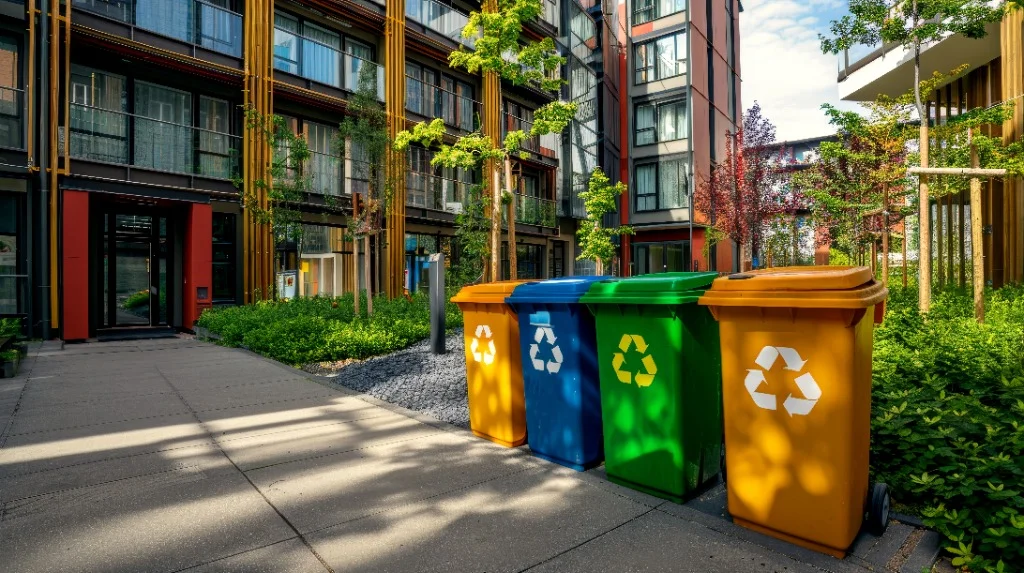
Commercial waste recycling isn't just good practice anymore, it's increasingly expected, and in some cases required depending on your industry and site type. A proper recycling setup usually separates general waste from recyclable material like cardboard, paper, and certain plastics, with clearly labelled bins to make it easy for staff and customers to sort correctly.
The mistake a lot of sites make is having recycling bins in place but not actually managing them properly, contamination happens quickly when general rubbish ends up in recycling bins, which can mean the whole load gets treated as general waste anyway. A well run commercial waste recycling program includes staff education on what actually goes where, not just the bins themselves. This ties closely into how waste management affects hygiene compliance more broadly across a site.
What a Business Waste Collection Service Should Actually Cover
A solid business waste collection service should include a schedule matched to your actual waste volume, not a generic fixed frequency applied to every client. It should also cover clear bin sizing appropriate to your site, proper segregation between general waste and recycling streams, and reliable collection that doesn't leave bins overflowing between visits.
For sites with food service or higher hygiene requirements, this often extends into restroom hygiene services and sanitary bin services running alongside general waste collection, since these areas need more frequent attention than a standard bin out the back.
A Simple Checklist for Choosing a Commercial Rubbish Disposal Provider
Use this as a baseline when comparing providers for disposing of commercial waste at your site:
- Collection frequency matched to actual waste volume, not a fixed generic schedule
- Clear separation between general waste and recycling streams
- Bin sizing appropriate for peak periods, not just average volume
- Additional services available for larger removal jobs when needed
- Transparent pricing without hidden fees for extra pickups
- Staff education support so recycling actually gets sorted correctly
- Reliable, consistent collection days so bins never sit overflowing
Running through this list before signing a contract helps avoid the common trap of choosing a provider purely on price, then dealing with service gaps later.
Common Mistakes Brisbane Businesses Make With Waste Contracts
A few patterns show up again and again across Brisbane sites. Businesses often lock into a fixed schedule that doesn't flex with seasonal or event driven changes in waste volume, so bins overflow during busy periods like Christmas trading or major sales events, then sit half empty during quieter months while the business still pays full price. Contamination in recycling bins is another common issue, usually because staff were never properly briefed on what belongs where, so the whole load ends up treated as general waste anyway. And plenty of businesses treat waste and pest control as entirely separate problems, when in reality poorly managed waste is one of the biggest drivers of pest activity on commercial sites, something worth reading more about in our guide on pest prevention in food and retail facilities.
Getting the waste side right often solves half the pest problem before it starts, since food waste and improperly sealed bins are what attract most pest activity in the first place, particularly in Brisbane's warmer months when things break down and start smelling a lot faster than they would somewhere cooler.
Keeping Your Brisbane Site's Waste Management on Track
A well managed commercial waste setup does more than keep bins from overflowing, it protects hygiene standards, supports recycling goals, and reduces the kind of pest issues that come from poorly managed waste sitting around too long. If your current provider isn't adjusting collection frequency to match your actual site volume, that's usually the first sign it's time for a review.
Many businesses also pair their waste contract with commercial office cleaning, since keeping bin areas and common spaces clean tends to work best when it's coordinated under one plan rather than managed separately.
YOT Services provides commercial waste management and pest control support across Brisbane, with collection schedules built around actual site volume rather than a generic fixed routine. Head over to YOT Services to see the full range of facility support on offer.
If your current setup isn't keeping pace with your site, get in touch to talk through a waste plan suited to your needs.