Apartment complexes across Brisbane hold hundreds of residents, dozens of vehicles and shared spaces that nobody watches around the clock. Car parks, bin rooms, pool areas and entry gates are often quiet after dark, which makes them easy targets for trespassers, car thieves and vandals. Body corporate committees know that one break in can unsettle an entire building and push up insurance and repair costs.
Residential security patrols give these buildings a visible, licensed presence without the cost of a full time guard. Trained officers visit the property at varied times, check locks and gates, inspect car parks and respond to alarms, then log every visit with timestamped proof. For many complexes, mobile security patrols offer the right balance of deterrence and budget.
In this guide, we explain how residential security patrols work, what officers check on each visit and how strata managers can get the most value from a patrol plan. As a Brisbane facility services provider, YOT Services supports strata and commercial properties with integrated security and cleaning, so these insights come from how patrols work on real sites.
Why Do Apartment Complexes Need Residential Security Patrols?
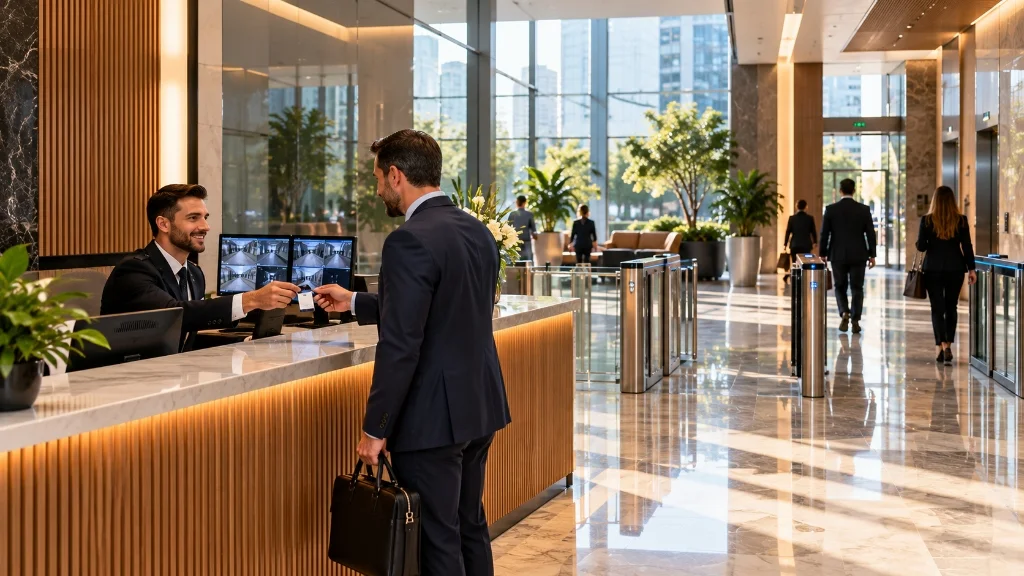
Apartment buildings share a problem that houses do not: many entry points, many residents and very few eyes on shared spaces at night. Gates get propped open, fobs get passed around and visitors tailgate residents through secure doors. Over time, these small gaps invite opportunistic crime.
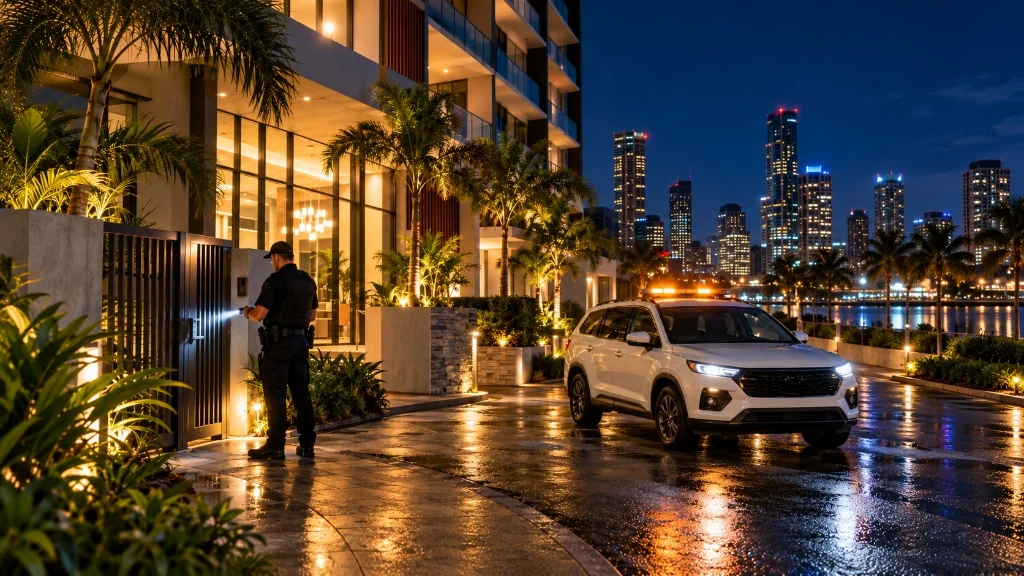
Residential security patrols close these gaps by adding a regular, unpredictable security presence. Common risks they address include:
- Car break ins and theft from basement car parks
- Parcel theft from lobbies and mail areas
- Vandalism and graffiti on walls, lifts and fences
- Loitering in stairwells, bin rooms and plant areas
- Gates and doors left unsecured overnight
A patrol plan also reassures residents. Seeing a marked vehicle and a uniformed officer on site tells people that the body corporate takes safety seriously, which supports resident satisfaction and property values.
What Do Officers Check During a Residential Patrol?
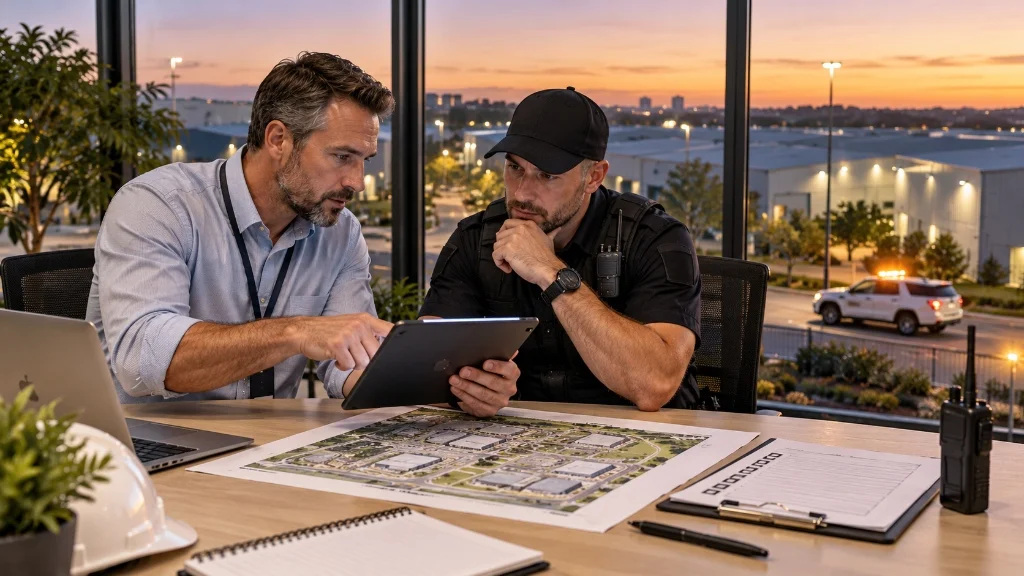
Every residential patrol follows a checklist built around the layout of the complex. Officers move through the site on foot and by vehicle, checking the areas most likely to be targeted. A typical visit covers:
- Main entry doors, side gates and fire exits for damage or forced entry
- Basement and visitor car parks for suspicious vehicles or people
- Pool, gym and BBQ areas after closing times
- Bin rooms, plant rooms and storage cages
- External lighting, CCTV cameras and intercoms
Officers also flag maintenance issues they notice, such as broken lights, leaking pipes or damaged paths. Reporting these early helps committees act before small faults cause injuries, as our guide on preventing slip hazards on commercial property exteriors explains.
Each checkpoint is scanned during the visit, so the committee has a record of exactly where the officer went and when.
How Do Random Patrol Times Deter Crime?
Predictability is the weak point of any security plan. If an officer arrives at 11pm every night, a thief only needs to wait until midnight. Random patrol scheduling removes that certainty.
With a randomised plan, officers visit at different times each night, sometimes twice within an hour and sometimes hours apart. This creates the impression of constant coverage, even though the officer is not on site all night. Key benefits include:
- Offenders cannot time their activity around a fixed schedule
- Residents see patrols at varied hours, which builds confidence
- Higher risk periods, such as weekends and holidays, can receive extra visits
Random patrols work best when combined with visible deterrents like marked vehicles and high visibility uniforms. You can read more about this approach in our article on how mobile security patrols deter crime on commercial sites, as the same principles apply to residential buildings.
How Do Patrols Protect Car Parks and Bike Storage?
Basement car parks are often the highest risk area in an apartment complex. They are dimly lit, rarely visited at night and full of valuable vehicles, bikes and storage cages. Residents also leave items in cars, which attracts repeat offenders.
Patrol officers give car parks focused attention on every visit. They will typically:
- Walk each level and check for broken windows or damaged vehicles
- Confirm that roller doors and boom gates close fully behind vehicles
- Look for unfamiliar vehicles parked in resident bays
- Check bike rooms and storage cages for forced locks
- Report lighting faults that create dark corners
If an officer finds a damaged vehicle or open cage, the incident is logged with photos and passed to the building manager immediately. Fast reporting helps residents with insurance claims and gives the committee evidence to support upgrades like extra cameras or brighter lighting.
How Do Patrols Keep Common Areas Safe and Presentable?
Security and presentation are closely linked. A lobby with overflowing bins, graffiti or broken furniture signals that nobody is watching, which can invite more antisocial behaviour. A clean, well maintained building sends the opposite message.
Patrol officers act as an extra set of eyes on common areas. During each visit they note:
- Rubbish dumped in hallways or near bin rooms
- Graffiti, spills or damage in lifts and stairwells
- Doors that do not latch or close properly
- Hazards such as wet floors or blocked fire exits
These reports work best when the same provider handles cleaning. When patrol findings feed directly into your janitorial services schedule, problems like graffiti or spills can be cleared the next morning instead of sitting for days. This joined up approach keeps common areas safe, tidy and welcoming.
How Do Patrols Support Alarm Response and Lock Up?
Many apartment complexes have alarms on plant rooms, gyms, pool gates and management offices. When one of these alarms triggers at 2am, someone needs to attend quickly and safely. Patrol officers fill that role.
A residential patrol plan can include:
- Alarm response to check the cause and secure the area
- Nightly lock up of pools, gyms and community rooms at closing time
- Morning unlock so facilities open on time for residents
- Key holding, so officers can reach secured areas without waking the building manager
When an officer attends an alarm, they inspect the area, reset the system if safe and record what they found. If there is a genuine break in, they contact police and the building manager while securing the scene. Residents and onsite staff should never be expected to investigate alarms alone at night.
How Does Patrol Reporting Help Body Corporate Committees?
Body corporate committees need clear evidence that the money spent on security delivers results. Modern patrol reporting gives them exactly that.
With GPS tracked vehicles and NFC checkpoint scans, every visit is recorded with the time, location and officer details. Reports can include:
- A list of checkpoints visited on each patrol
- Photos of incidents, damage or hazards found
- Alarm attendance times and outcomes
- Trends across weeks and months, such as repeat problem areas
These records help committees review patrol frequency, justify budget decisions at annual general meetings and support insurance claims. They also make it easy to hold the provider accountable, because missed visits show up immediately. For strata managers, this transparency turns security from a vague expense into a measurable service.
Common Mistakes When Using Residential Security Patrols
- Keeping the same patrol times every night: Fixed schedules are easy for offenders to learn, so ask for randomised visits.
- Skipping the car park: Basements are often the highest risk area and should be checked on every visit.
- Not giving officers proper access: Without keys, fobs and site maps, officers cannot check the areas that matter most.
- Ignoring patrol reports: Reports only add value if the committee reviews them and acts on repeat issues.
- Choosing a provider on price alone: Always confirm that officers hold Queensland security licences and that the provider carries current insurance.
Conclusion
Residential security patrols give Brisbane apartment complexes a practical way to deter crime, protect shared spaces and reassure residents without paying for a guard all night. Random visits, thorough checkpoint inspections, alarm response and detailed reporting work together to keep buildings secure and committees informed.
If your complex is dealing with car park break ins, unsecured gates or after hours incidents, now is the right time to review your security plan. YOT Services delivers licensed patrols, alarm response and integrated facility support for Brisbane properties. Contact our team to discuss a patrol plan that suits your building. Get a quote from YOT Services today.