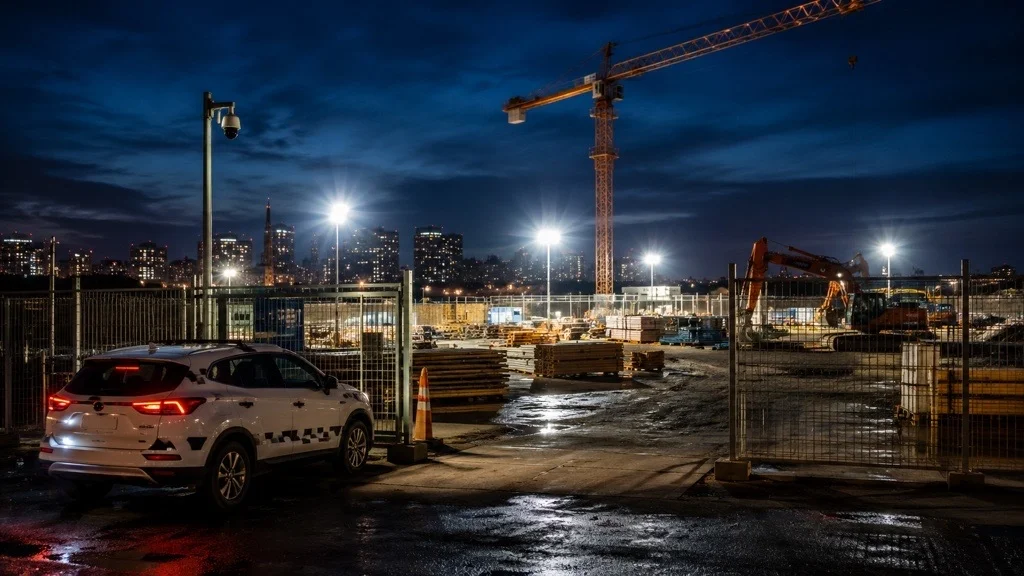
Not every commercial site needs 24-hour on-site security guarding. But for certain properties - high-traffic retail centres, corporate lobbies, event venues, healthcare facilities, and premium office towers - cameras and alarms alone leave critical gaps that only trained human presence can fill. A camera can record an escalating altercation. An alarm can signal an emergency. Neither can physically intervene, de-escalate a situation, or guide a crowd to safety.
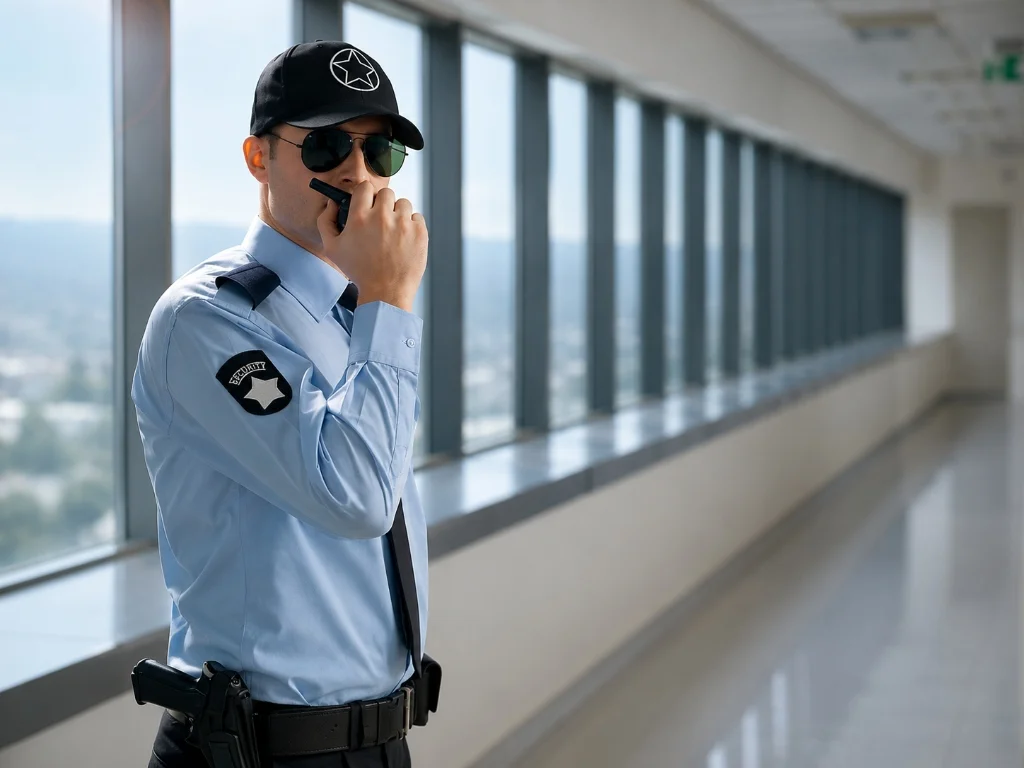
Licensed static security guards deliver something no digital system can replicate - immediate human judgment, physical presence, and adaptive response to unfolding situations. Where mobile patrols provide random deterrence and cameras provide records, static guards provide real-time control of the environment.
This guide breaks down 7 scenarios where Brisbane facility managers, property owners, and event organisers benefit from licensed on-site guarding. Whether you manage a shopping centre, corporate campus, healthcare building, or event space, these situations demand physical presence that technology alone cannot deliver.
1. High-Traffic Public Environments With Conflict Risk
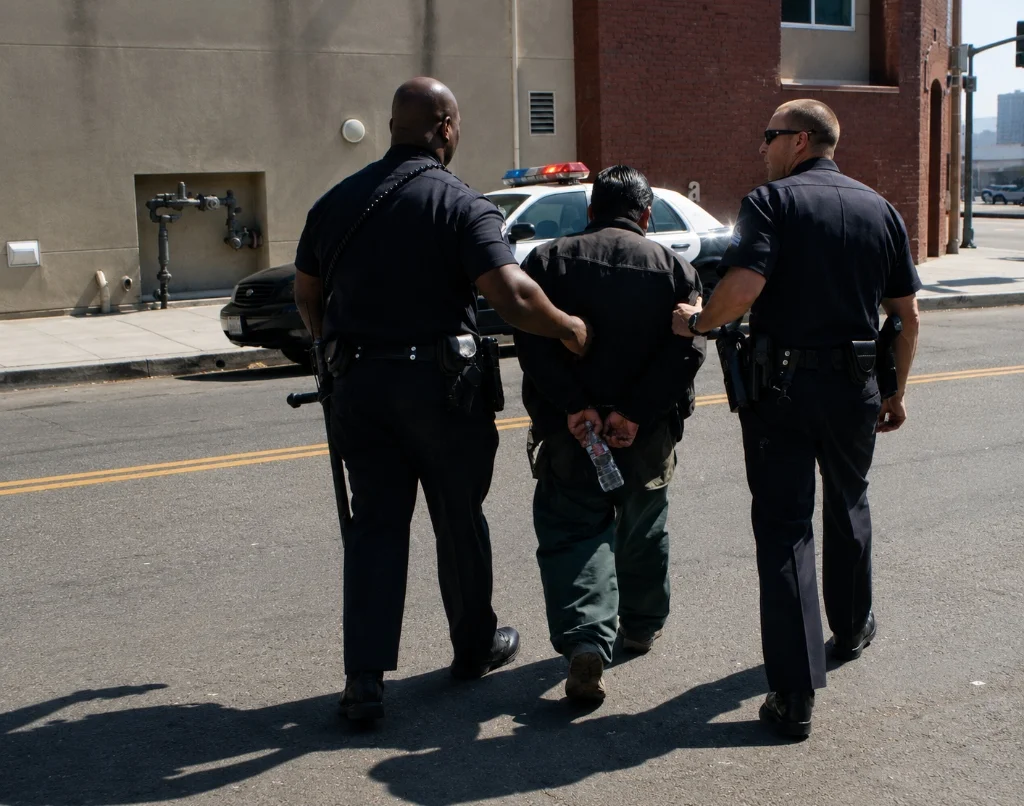
Retail centres, food courts, transport hubs, and shared public spaces regularly experience conflict - verbal disputes, aggressive customers, intoxicated visitors, and occasional threats of violence. These situations escalate within seconds. Without immediate on-site intervention, a minor incident becomes a serious one - and the business bears the consequences through injury claims, reputational damage, and disrupted operations.
Licensed security guards trained in de-escalation:
- Recognise early warning signs of conflict
- Intervene calmly before situations physically escalate
- Separate parties involved in disputes
- Coordinate with local police when required
- Document incidents for legal and insurance protection
De-escalation training is not optional. Guards without formal conflict resolution certification create as many problems as they solve. Facility managers should verify that all deployed personnel hold current Queensland licenses and de-escalation training records.
2. Corporate Lobbies and Executive Concierge Presence
Premium corporate towers, legal firm receptions, and executive suites require a security presence that does not feel like security. Concierge-style guarding blends professional greeting, visitor management, and access verification with subtle protective capability - creating a welcoming environment for legitimate visitors while filtering out unauthorised access.
Concierge guarding responsibilities typically include:
- Visitor sign-in and identity verification
- Delivery driver management and package handling
- Employee badge verification for restricted floors
- Directing visitors to correct meeting locations
- Discreet monitoring of lobby traffic patterns
This dual role - hospitality and security - requires guards with specific temperament, presentation, and communication skills. Standard patrol officers deployed as concierge often lack the client-facing skills required. Purpose-trained concierge guards deliver both outcomes effectively. This front-of-house presence often works alongside professional admin and reception cover for business continuity, creating a seamless secure and welcoming entry experience.
3. Emergency Coordination and Crisis Response
When fire alarms trigger, water lines burst, medical incidents occur, or evacuations become necessary, physical presence on-site is the difference between controlled response and chaos. Licensed guards coordinate emergency actions in real time - directing evacuations, clearing exit paths, briefing emergency responders, and documenting incidents for post-event review.
Guards handle critical crisis response tasks:
- Immediate evacuation coordination
- Clearing fire exits and emergency routes
- Meeting and briefing emergency services
- Assisting mobility-impaired visitors and staff
- Post-incident documentation with photo evidence
Buildings with concentrated occupancy - shopping centres, medical facilities, education campuses - face significantly higher liability exposure during emergencies without trained on-site response capability. Post-incident documentation also matters for insurance claims and regulatory reviews. Structured access control services integrated with guard presence support faster evacuation and emergency responder coordination.
4. High-Value Asset and Cash Handling Environments
Retail environments handling cash, jewellery stores, electronics retailers, art galleries, and premium showrooms attract targeted theft attempts that mobile patrols cannot prevent - because trespassers time their approaches around patrol windows. Visible on-site guarding changes that calculation entirely. Offenders assessing a site with permanent guard presence typically abandon planning.
Visible guard presence protects:
- Retail cash handling and end-of-day banking runs
- Jewellery, electronics, and luxury goods displays
- Art galleries and premium collectible venues
- Premium automotive dealerships
- High-value tenant assets in shared complexes
Guard presence also supports insurance positioning. Many high-value insurance policies specifically require or discount for on-site licensed guarding - reducing premiums enough to significantly offset guard costs. Combining static guards with structured mobile patrol coverage delivers layered protection for premium retail and asset-heavy sites.
5. Event Management and Crowd Control
Corporate functions, retail launches, public exhibitions, weddings, and community events all involve crowd dynamics that untrained staff cannot manage safely. Trained event security manages entry flow, verifies invitations, monitors crowd density, and responds to medical or behavioural incidents that occur during the event.
Event guarding scope typically covers:
- Entry point verification and access management
- Crowd flow monitoring and density control
- Alcohol-related incident response
- Medical event coordination
- Post-event site sweep and secure lockup
Event insurance often mandates specific ratios of trained security to attendees - venues that fail to meet these requirements risk claim rejection if incidents occur. Working with providers who understand event-specific licensing prevents compliance gaps.
6. After-Hours Contractor and Delivery Management
Buildings with active after-hours contractor traffic - cleaning crews, maintenance technicians, delivery drivers, IT support - need controlled access management. Without on-site personnel, contractors often work unsupervised in sensitive areas, or delivery drivers get access to zones they should not enter. Licensed guards manage these interactions with formal check-in procedures.
Standard after-hours management includes:
- Contractor sign-in with company and job verification
- Access authorisation to specific building areas only
- Escort service for restricted zone work
- Sign-out verification with area inspection
- Complete audit trail of after-hours activity
This is the same accountability principle facility managers apply when vetting any commercial services provider - documentation and verification of activity separates responsible providers from those cutting corners.
7. High-Risk Buildings and Sensitive Occupants
Some buildings by nature carry elevated risk - courthouses, government offices, controversial retail categories, healthcare facilities treating vulnerable patients, and buildings that have previously experienced targeted incidents. These properties require on-site guarding as a foundational security layer, not an optional add-on.
Elevated-risk factors that warrant static guarding:
- History of targeted incidents at the site
- Political, legal, or controversial tenant profiles
- Vulnerable occupant populations (healthcare, aged care)
- Buildings with unique security threats (protests, media attention)
- Sites with high public access and screening requirements
For these environments, guard selection matters as much as guard presence. Officers require specific background clearances, additional training, and often specialised skills - armed response certification, medical first aid, mental health de-escalation, or protective services experience.
Common Mistakes When Deploying Static Security Guards
Even facilities investing in on-site guarding can undermine their own protection through avoidable mistakes. Being aware of these helps you get real value from your security investment:
- Choosing guards on hourly rate alone. Licensed, trained, well-managed guards cost more per hour than unlicensed or poorly supervised alternatives - but they also deliver dramatically better outcomes. Total value matters more than hourly rate.
- Not defining scope beyond "being on-site". A guard without clear duties defaults to sitting at the desk. Detailed scope documents covering patrols, checks, reporting, and escalation deliver structured value.
- Skipping licensing and certification verification. All commercial security guards in Queensland require current licensing. Failing to verify credentials creates legal exposure for the site owner if incidents occur.
- Ignoring supervision structure. Guards work more consistently when they have named supervisors, structured check-ins, and clear reporting lines. Unsupervised guarding delivers unreliable results.
- Not integrating guards with other security systems. Static guards work best when integrated with CCTV, alarm monitoring, access control, and mobile patrol response. Isolated guarding leaves gaps that layered approaches close.
Ready to Strengthen On-Site Protection at Your Facility?
On-site security shouldn't feel like a compromise between presence and cost. YOT Services delivers licensed static guarding across Brisbane and wider Queensland - including concierge-style corporate lobby coverage, event security, emergency response coordination, and integrated deployment with mobile patrols and access control. Every guarding contract includes verified licensing, supervisor accountability, and documented incident reporting for full compliance.